
Before you start cooking, facing a shiitake, do you ever wonder whether to wash it with water or just wipe it? Fresh shiitake and dried shiitake call for different ways of thinking about preparation.
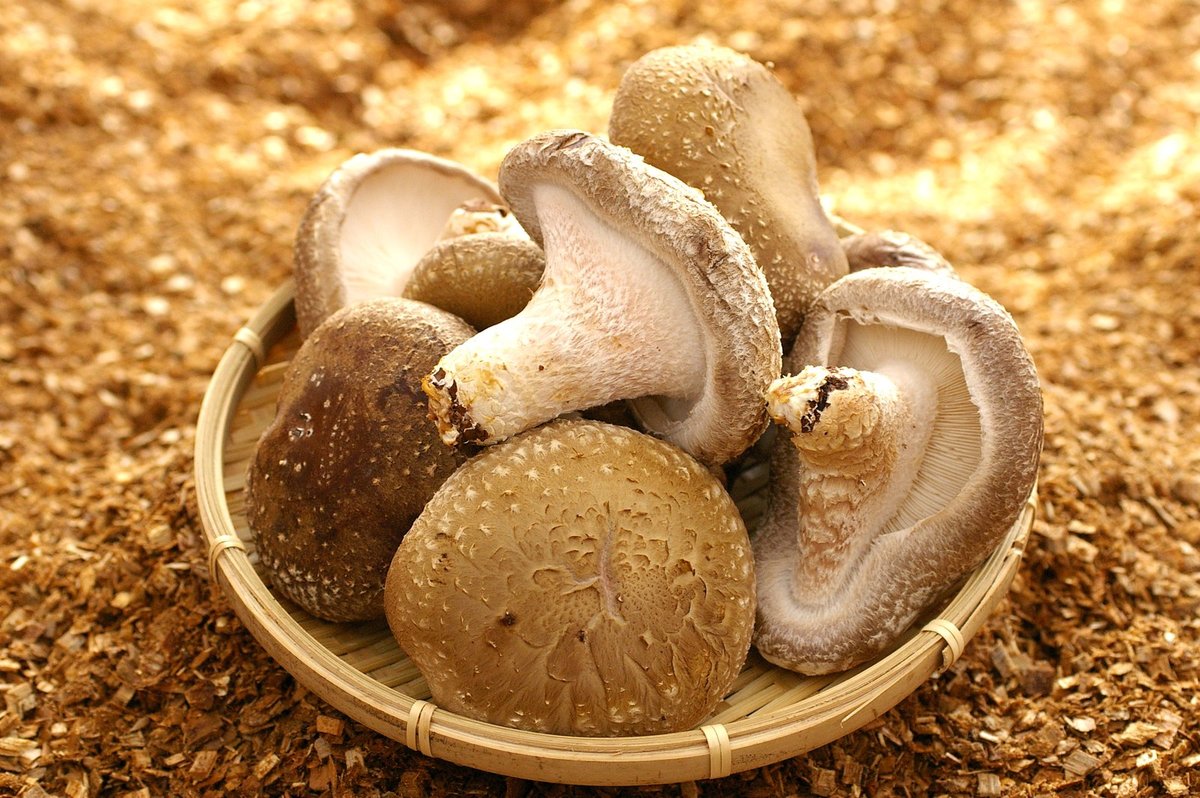
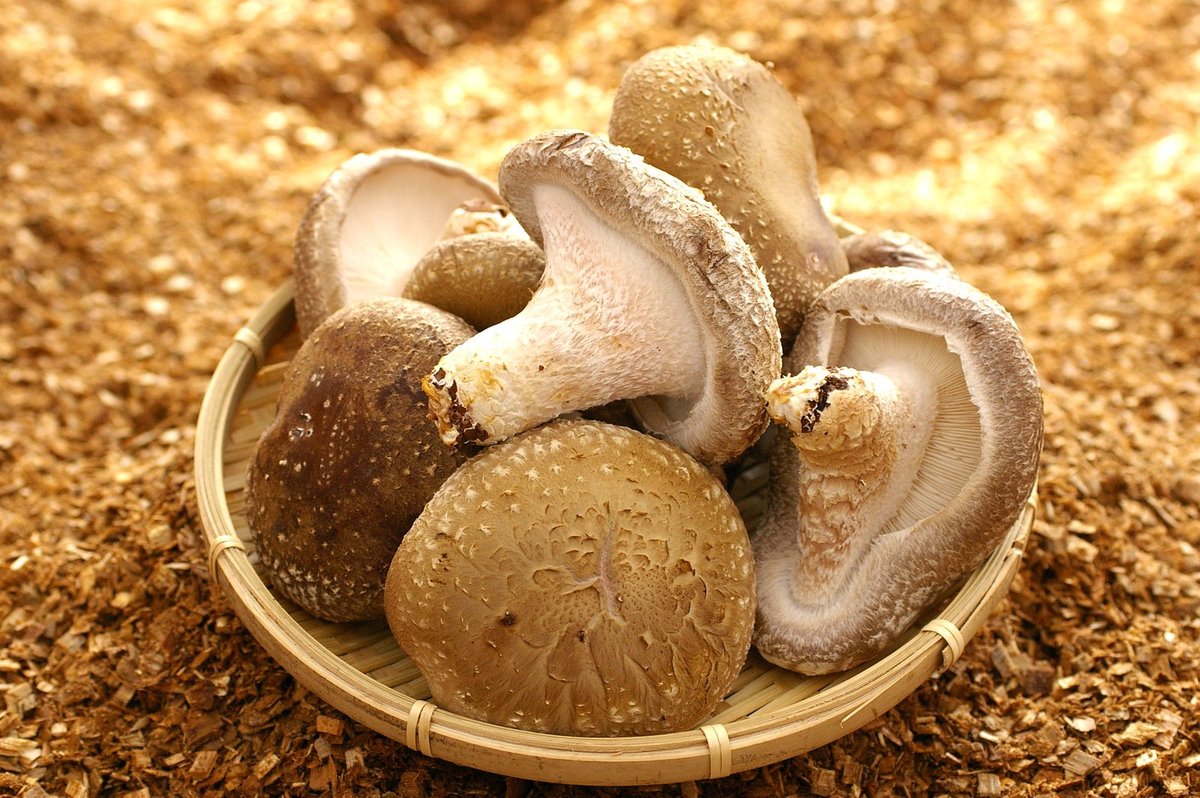
Fresh shiitake absorb water easily, and are said to turn black and lose flavor when soaked in water. The Agriculture & Livestock Industries Corporation's materials advise not washing them with water but wiping them with paper towels or the like. When dust is stuck on the gills under the cap, hold the stem and tap the top of the cap lightly 2 to 3 times to knock it off. Cut off the hard base of the stem.
However, this is guidance on handling to protect flavor, and it does not mean that wiping makes them safe from a hygiene standpoint. Remove any parts where dirt clearly remains, and if you suspect spoilage, do not try to fix it with cooking: stop and do not eat it.
Dried Shiitake: Slowly, in Cold Water
For dried shiitake, soaking in cold water and rehydrating slowly in the refrigerator is recommended by Shimane Prefecture's materials and others. The dried shiitake recipe in the Ministry of Agriculture, Forestry and Fisheries article also follows the steps of washing, then soaking in water and putting it in the refrigerator. Quick rehydrating methods are also introduced, but on days when you want to protect flavor, you can prepare them the day before. The soaking liquid can be used in cooking as dashi.
Another thing worth knowing is that the amount of umami components changes with the temperature of the water used for rehydrating and the heating that follows. In an analysis example from a public research institution, guanylic acid was detected when the shiitake were soaked in cold water and then heated. The flow of rehydrating in cold water and then cooking is consistent with this analysis example. However, this is a result under the conditions of the analysis, and does not determine home procedures. Do not consume the rehydrated shiitake or the soaking liquid as they are; use them after cooking them in a dish.
Whether fresh or dried, cook them thoroughly through to the center when eating. French authorities also caution that shiitake, whether fresh, dried or powdered, should be eaten cooked through to the center.
Wipe, tap, rehydrate in cold water. Once you know the reasons, there is a little less hesitation in preparation. The next time you pick up a shiitake, why not take a peek at the underside of the cap once before you begin?
References
Reference 1 (Agriculture & Livestock Industries Corporation)
Reference 2 (www.pref.shimane.lg.jp)
Reference 3 (Ministry of Agriculture, Forestry and Fisheries)
Reference 4 (Aichi Center for Industry and Science Technology)